
Introduction
The name beverley cross may not be as instantly recognisable as the actors who brought his stories to life, yet his influence on British theatre and classic fantasy cinema remains immense. A gifted playwright, librettist and screenwriter, Cross helped shape the golden era of adventure storytelling. His work bridged the elegance of West End theatre and the spectacle of Hollywood epics, leaving a creative legacy that still inspires filmmakers and writers today.
This article explores the life, achievements, and enduring legacy of Beverley Cross, a man whose imagination carried audiences from ancient myths to sweeping theatrical stages.
Early Life and Background
A Childhood Rooted in Storytelling
Beverley Cross was born Alan Beverley Cross on 13 April 1931 in London, England. Growing up in a city steeped in culture and theatre, he developed an early fascination with storytelling. Britain in the 1930s and 1940s was a nation rebuilding itself through art and creativity, and young Cross absorbed the influence of theatre, literature, and performance.
He was educated at Nautical College Pangbourne, a boarding school that emphasised discipline and leadership. Although this environment seemed far removed from the arts, it helped develop the strong work ethic and determination that later defined his career.
First Steps into Theatre
Cross began his professional journey writing plays for children in the 1950s. These early works allowed him to hone his skills in dialogue, pacing, and dramatic structure. Even at this early stage, his storytelling displayed imagination, humour, and emotional depth.
His breakthrough came when his play One More River premiered in Liverpool in 1958. The drama, centred on a ship mutiny, gained attention for its powerful themes and gripping narrative, eventually moving to London’s West End.
West End Success and Stage Achievements
Transforming Theatre with Adaptation and Original Works
Beverley Cross quickly established himself as a respected playwright in British theatre. His ability to adapt stories and craft engaging scripts led to major successes.
One of his most notable achievements was adapting the French farce Boeing Boeing for English-speaking audiences. The play became a long-running West End hit and remains one of the most successful stage comedies in theatre history.
Musical Theatre Triumph
Cross reached new heights with Half a Sixpence, a musical based on the novel Kipps by H. G. Wells. His work on the script earned him a Tony Award nomination, confirming his reputation as a writer capable of moving seamlessly between comedy, drama, and musical storytelling.
The production’s success demonstrated his versatility and established him as a major creative force in British theatre.
Opera and Librettos
Beyond theatre and film, Cross also wrote opera librettos for leading composers. His collaborations reflected his deep understanding of dramatic storytelling and lyrical expression, further proving the breadth of his talent.
From Stage to Screen: Entering Hollywood
The Leap into Cinema
The transition from theatre to film is often challenging, yet Beverley Cross made it appear effortless. His theatrical background gave him a strong foundation in character and dialogue, while his vivid imagination suited the grand scale of cinema.
By the early 1960s, Hollywood began to recognise his talent, particularly in the adventure and fantasy genres.
Writing the Golden Age of Fantasy Cinema
Jason and the Argonauts
One of Cross’s most celebrated screenplays was for the legendary film
Jason and the Argonauts.
The film combined Greek mythology with groundbreaking special effects, creating an unforgettable cinematic experience. Cross’s screenplay balanced epic adventure with human emotion, allowing audiences to connect with mythological characters in a meaningful way.
The film remains a cornerstone of fantasy cinema and is still admired by filmmakers and fans worldwide.
Historical Epics and Adventure Films
Cross continued writing large-scale adventure films throughout the 1960s, including:
- The Long Ships
- Genghis Khan
These films captured audiences with their sweeping landscapes, historical drama, and thrilling action.
Clash of the Titans: A Lasting Legacy
Perhaps his most widely recognised work came with the screenplay for
Clash of the Titans.
This mythological adventure became a defining film of the 1980s fantasy genre. With unforgettable creatures, heroic quests, and dramatic storytelling, it cemented Cross’s reputation as a master of cinematic myth-making.
Even decades later, the film continues to influence fantasy storytelling and remains beloved by audiences across generations.
Contribution to Lawrence of Arabia
Cross also contributed, uncredited, to the screenplay of
Lawrence of Arabia, one of the most celebrated films in cinema history. Though his role was not publicly credited, it demonstrated the respect he commanded within the film industry.
Writing Style and Creative Strengths
Master of Myth and Adventure
Beverley Cross had a remarkable gift for bringing mythology and history to life. His scripts blended spectacle with character-driven storytelling, ensuring audiences cared deeply about the heroes on screen.
Dialogue and Dramatic Structure
His theatre background shaped his writing style, giving him an exceptional ear for dialogue and a strong sense of dramatic pacing. Whether writing comedy or epic fantasy, his scripts always felt engaging and emotionally grounded.
Balancing Entertainment and Depth
Cross understood that entertainment and meaningful storytelling could coexist. His films delivered excitement while exploring timeless themes such as courage, destiny, and human resilience.
Personal Life and Marriage
A Partnership with British Acting Royalty
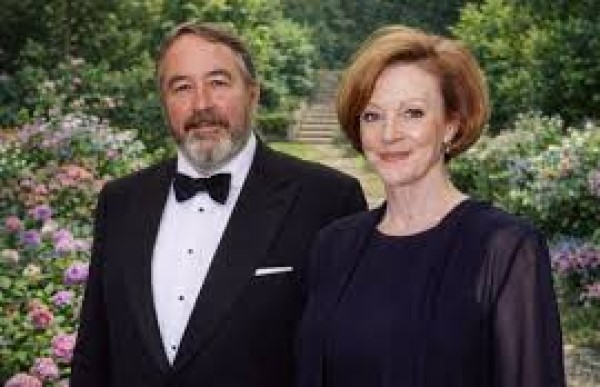
In 1975, Beverley Cross married the legendary actress
Maggie Smith.
Their marriage brought together two creative powerhouses of British entertainment. Smith, already a celebrated stage and screen actress, shared Cross’s passion for theatre and storytelling.
Through this marriage, Cross became stepfather to actors Toby Stephens and Chris Larkin, further connecting him to a family deeply rooted in the performing arts.
Life Away from the Spotlight
Despite his success, Cross maintained a relatively private life. Unlike many Hollywood figures, he preferred to let his work speak for itself. Friends and colleagues often described him as thoughtful, intelligent, and deeply dedicated to his craft.
Challenges and Later Years
The Changing Film Industry
By the late 1980s and 1990s, the film industry was changing rapidly with the rise of new technologies and storytelling styles. Although Cross remained respected, the era of large-scale mythological epics had begun to fade.
Nevertheless, his earlier work continued to inspire new generations of writers and filmmakers.
Passing and Legacy
Beverley Cross passed away in London on 20 March 1998 at the age of 66 following an aneurysm. His death marked the end of a remarkable creative career, but his work continues to live on.
The Lasting Influence of Beverley Cross
Inspiration for Modern Fantasy Films
Today’s blockbuster fantasy films owe much to the groundwork laid by writers like Beverley Cross. His ability to translate ancient myths into cinematic adventures helped shape the modern fantasy genre.
Theatre and Film Contributions
Cross’s legacy spans multiple creative disciplines:
Theatre
- Successful West End productions
- Tony Award nomination
- Adaptation of enduring stage comedies
Film
- Classic fantasy and historical epics
- Contributions to award-winning cinema
- Scripts that remain culturally influential
Why His Work Still Matters
Audiences continue to rediscover his films through streaming platforms and television broadcasts. Each viewing introduces new fans to his storytelling brilliance.
His work proves that strong storytelling transcends time, technology, and changing audience tastes.
Conclusion
The story of beverley cross is one of creativity, imagination, and lasting influence. From the West End stage to Hollywood’s grandest adventures, he shaped some of the most memorable stories of the twentieth century.
Though he was not an actor, his words gave life to heroes, villains, gods, and legends. His scripts transported audiences to distant lands and mythical worlds, proving the enduring power of storytelling.
Beverley Cross may not always be a household name, but his legacy lives on every time audiences watch a fantasy epic or step into a theatre. His work reminds us that behind every great film or play is a writer whose imagination made the magic possible.