Introduction
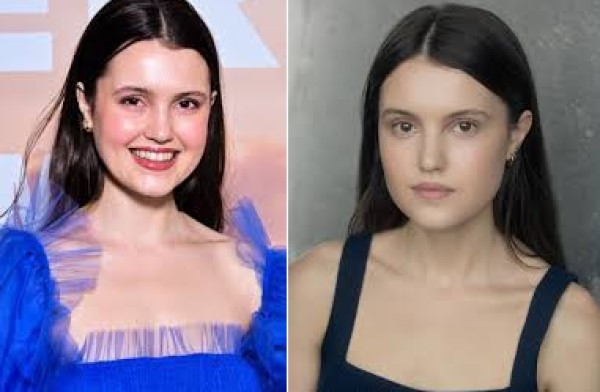
Chloe Sweetlove is a young and emerging actress who has steadily been gaining attention in the entertainment industry through her performances in television dramas and film projects. Known for her natural screen presence and early start in modelling, she represents a new generation of performers transitioning smoothly from childhood roles into more mature acting opportunities.
Although still in the early stages of her career, Chloe Sweetlove has already worked across multiple productions, building a reputation as a dedicated and promising talent. This article explores her background, early life, career development, and future potential in detail.
Early Life and Background
Childhood and upbringing
Chloe Sweetlove was born in the early 2000s in the United States. From a young age, she showed a strong interest in performing arts, particularly acting and modelling. Unlike many who enter the industry later in life, Chloe’s exposure to media and performance came early, shaping her confidence and comfort in front of the camera.
Her early environment encouraged creativity, and she soon began participating in modelling assignments as a child. This initial exposure played a key role in helping her understand camera work, expression, and professionalism within the entertainment industry.
First steps into modelling
Before stepping into acting, Chloe Sweetlove began her career in modelling around the age of nine. She worked on small campaigns and photo shoots, gradually building her portfolio. This phase of her career was crucial, as it introduced her to the discipline required in professional media work.
Her modelling experience eventually opened doors to acting opportunities, where casting directors noticed her ability to express emotion naturally and confidently.
Transition into Acting Career
Early acting training
After gaining experience in modelling, Chloe Sweetlove decided to pursue acting more seriously. She enrolled in acting classes to refine her skills, focusing on voice control, emotional expression, and character interpretation.
Her training helped her move beyond modelling and develop into a well-rounded performer. She quickly adapted to screen acting, where subtle expressions and natural delivery are essential.
First screen appearances
Chloe began her acting career with small roles in short films and television productions. These early roles may not have been major, but they were important stepping stones that allowed her to gain experience on professional sets.
She appeared in projects such as short films and supporting roles, gradually building her résumé and gaining recognition from casting professionals.
Breakthrough Roles
Television appearances
Chloe Sweetlove’s breakthrough came when she began appearing in television dramas. One of her most notable roles was in a British detective drama where she played a teenager with a complex emotional storyline. This role highlighted her ability to portray depth and vulnerability, earning her praise from viewers.
Her performance demonstrated maturity beyond her years, showing that she could handle emotionally demanding characters with ease.
Film and streaming projects
Alongside television work, Chloe has also been involved in film and streaming productions. These roles have helped her expand her acting range and gain exposure to international audiences.
Working across different formats has allowed her to understand the differences between film and television acting, further strengthening her versatility as a performer.
Acting Style and Strengths
Natural performance style
One of Chloe Sweetlove’s most notable strengths is her natural acting style. She does not rely on exaggerated expressions, instead focusing on subtle emotional delivery. This makes her performances feel realistic and relatable.
Casting directors often look for authenticity in young actors, and Chloe’s ability to deliver grounded performances sets her apart.
Emotional range
Despite her young age, Chloe has shown an impressive emotional range. She can portray vulnerability, confidence, confusion, and determination within different roles.
This flexibility allows her to take on a variety of characters, from troubled teenagers to more light-hearted roles.
On-screen presence
Chloe Sweetlove also possesses a strong on-screen presence. Even in supporting roles, she manages to draw attention without overshadowing the main cast. This balance is a valuable skill in the acting industry, especially for emerging talent.
Public Image and Recognition
Growing popularity
As her work continues to reach wider audiences, Chloe Sweetlove is gradually building a fan base. Viewers appreciate her authenticity and relatable performances, which contribute to her growing popularity.
Although she is not yet a mainstream celebrity, she is considered a rising figure in the acting world.
Media attention
Chloe has started to receive attention from entertainment media outlets due to her appearances in notable projects. Articles often describe her as a “rising star” or “one to watch,” reflecting industry expectations for her future career.
Personal Life
Private lifestyle
Chloe Sweetlove maintains a relatively private personal life. Unlike many young celebrities, she does not publicly share detailed information about her family or personal relationships.
This privacy allows her to focus on her professional development without excessive media scrutiny.
Family background
At present, there is limited publicly available information regarding her parents or family background. This is common for young actors who prefer to keep their private lives separate from their professional careers.
Career Challenges and Growth
Transitioning from child roles
One of the biggest challenges for Chloe Sweetlove is transitioning from child and teenage roles into more adult characters. Many actors struggle with this shift, but Chloe appears to be handling it gradually through diverse roles.
Industry competition
The entertainment industry is highly competitive, especially for young actresses. Chloe must continuously improve her skills and choose roles carefully to maintain steady career growth.
Despite this, her early achievements suggest strong potential for long-term success.
Future Prospects
Expanding opportunities
As Chloe Sweetlove continues to gain experience, she is likely to be offered more significant roles in both film and television. Her growing reputation suggests she may move into larger productions in the coming years.
Potential career direction
If she continues on her current path, Chloe could develop into a leading actress in drama or independent cinema. Her natural style also makes her suitable for emotionally driven roles in streaming series.
Long-term potential
With consistent development, Chloe Sweetlove has the potential to become a recognised name in the entertainment industry. Her combination of early experience, acting training, and screen presence provides a strong foundation for future success.
Conclusion
Chloe Sweetlove represents a new generation of young actors who are building their careers step by step through modelling, training, and early screen roles. While still developing her full potential, she has already demonstrated talent, versatility, and professionalism.
Her journey reflects the path of many rising stars in modern entertainment—starting young, learning through experience, and gradually stepping into more complex roles. As she continues to grow in the industry, Chloe Sweetlove is expected to gain more recognition and establish herself as a strong presence in television and film.